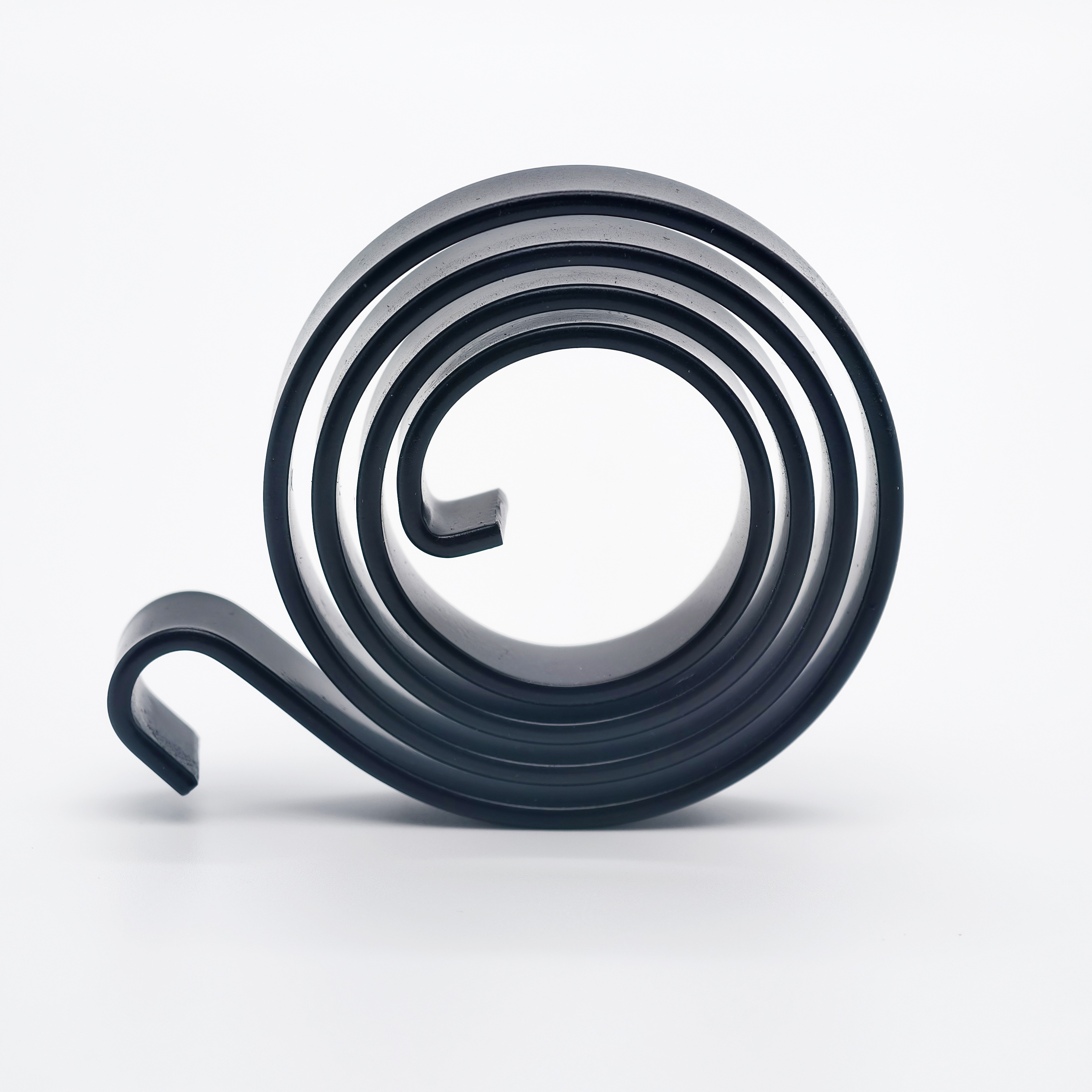
When standard 301 stainless couldn't meet the fatigue-life target for an automotive customer's high-cycle device, GL Springs engineers specified 17-7 PH (1.4568 / grade 631, EN 10270-3) with a tailored precipitation-hardening heat treatment. The result: 3× fatigue life, the customer's certification passed, and a long-term supply partnership. A project where material engineering — not a bigger spring — made the difference.
Case Details
How GL Springs replaced a failing 301 stainless specification with 17-7 PH (1.4568) and a tailored heat treatment — tripling fatigue life for a high-cycle automotive application.
Project Snapshot
- Industry: Automotive (high-cycle device component)
- Spring type: Custom precision spring, fatigue-critical
- Material: 17-7 PH precipitation-hardening stainless steel (1.4568 / grade 631, EN 10270-3)
- Key process: Tailored precipitation-hardening heat treatment + design stress optimization
- Inspection: 100% dimensional and performance inspection, batch to batch
- Result: 3× fatigue life vs the original 301 specification; long-term supply partnership established
Not every spring problem is solved by "make it bigger." This project shows how the right material and the right heat treatment — identified during design review — made the difference between a spring that would fail early and one that anchors a long-term partnership.
The Challenge
An automotive customer came to us with a high-cycle application demanding exceptional fatigue life. Their device would see millions of load cycles in service, and the spring was a critical component — if it fatigued and failed, the whole unit would be compromised.
Their initial specification called for standard SUS 301 stainless steel. On paper it looked reasonable: 301 offers good strength and corrosion resistance. But when we reviewed the duty cycle and stress levels, our engineers flagged a problem:
- Standard 301 would not reliably meet the fatigue-life target at the customer's stress amplitude and cycle count
- It would work at first — then risk failing well before the target service life
- Forcing 301 to work would have meant compromises elsewhere: larger wire, more installation space, or accepting a shorter service life — none acceptable to the customer
This is exactly the kind of issue that is cheap to catch during design review — and very expensive to discover in the field.
Our Solution
Rather than force-fit the original material, our engineers proposed a different approach: 17-7 PH precipitation-hardening stainless steel (material number 1.4568, grade 631, to EN 10270-3) — the European standard for stainless spring wire.
17-7 PH can be heat-treated to significantly higher strength than 301 while retaining corrosion resistance. But the material alone wasn't the whole answer. The key was a tailored precipitation-hardening cycle developed for this specific spring, optimizing strength and fatigue resistance for the customer's exact duty cycle. The complete solution combined:
- 1.4568 (17-7 PH / 631) wire to EN 10270-3 — a high-strength stainless base
- Customized heat-treatment cycle — tuned to maximize fatigue performance
- Design and stress optimization — matching spring geometry to the real load case
- 100% inspection — verifying dimensions and performance on every batch
The Result
- 3× fatigue life improvement over the original 301 specification — moving the spring from "at risk of early failure" to comfortably exceeding the service-life target
- The customer's device passed its certification and validation program — spring reliability was part of meeting that bar
- The customer gained confidence in our engineering judgment, not just our manufacturing
- The project became the foundation of an ongoing, long-term supply partnership
What This Project Shows
- The right material beats a bigger spring. When fatigue life is the constraint, material and heat treatment often matter more than size.
- Design review catches problems early. Flagging the 301 fatigue risk before production saved the customer from a costly field failure.
- A manufacturer should be an engineering partner, not just an order-taker. The value wasn't only in coiling the spring — it was in recommending 1.4568 and developing the process that made it work.
Facing a Demanding Spring Application?
If you have a high-cycle, high-stress, or fatigue-critical requirement — or a spec that isn't meeting its target — our engineers can review it and recommend the optimal material, heat treatment, and design.
Explore our custom compression springs and torsion springs, learn about our spring design and engineering support, or send your drawing and get a fast quote within 24 hours.