Electric vehicles aren't just ICE cars with different powertrains — they're heavier, quieter, and packaged more tightly, and every one of those traits changes what a spring must survive. Here's how EV programs are rewriting spring specifications, and what buyers should change in their RFQs.
The short answer: EV platforms push springs in three directions at once — higher static loads from battery weight, smaller installation envelopes from denser packaging, and stricter NVH and fatigue targets because a quiet powertrain makes every rattle audible. Springs that were "good enough" on ICE platforms often fail validation on EVs.
A typical EV battery pack adds several hundred kilograms over a comparable ICE vehicle. That weight lands on every load-bearing and load-returning spring in the platform — suspension, seat mechanisms, hood and tailgate systems, brake and pedal assemblies. Static load ratings creep up, but installation space doesn't, which forces higher stress levels in the same envelope.
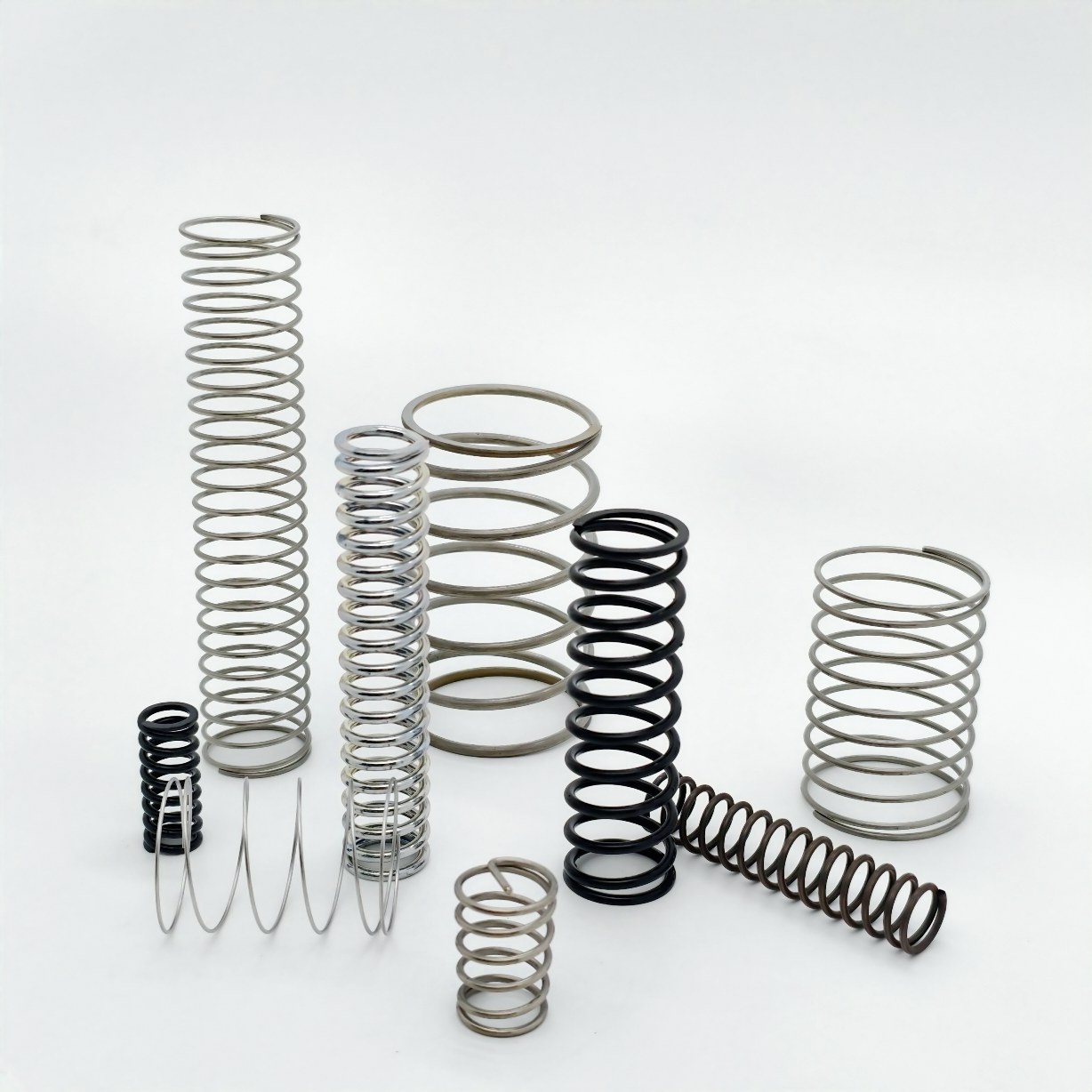
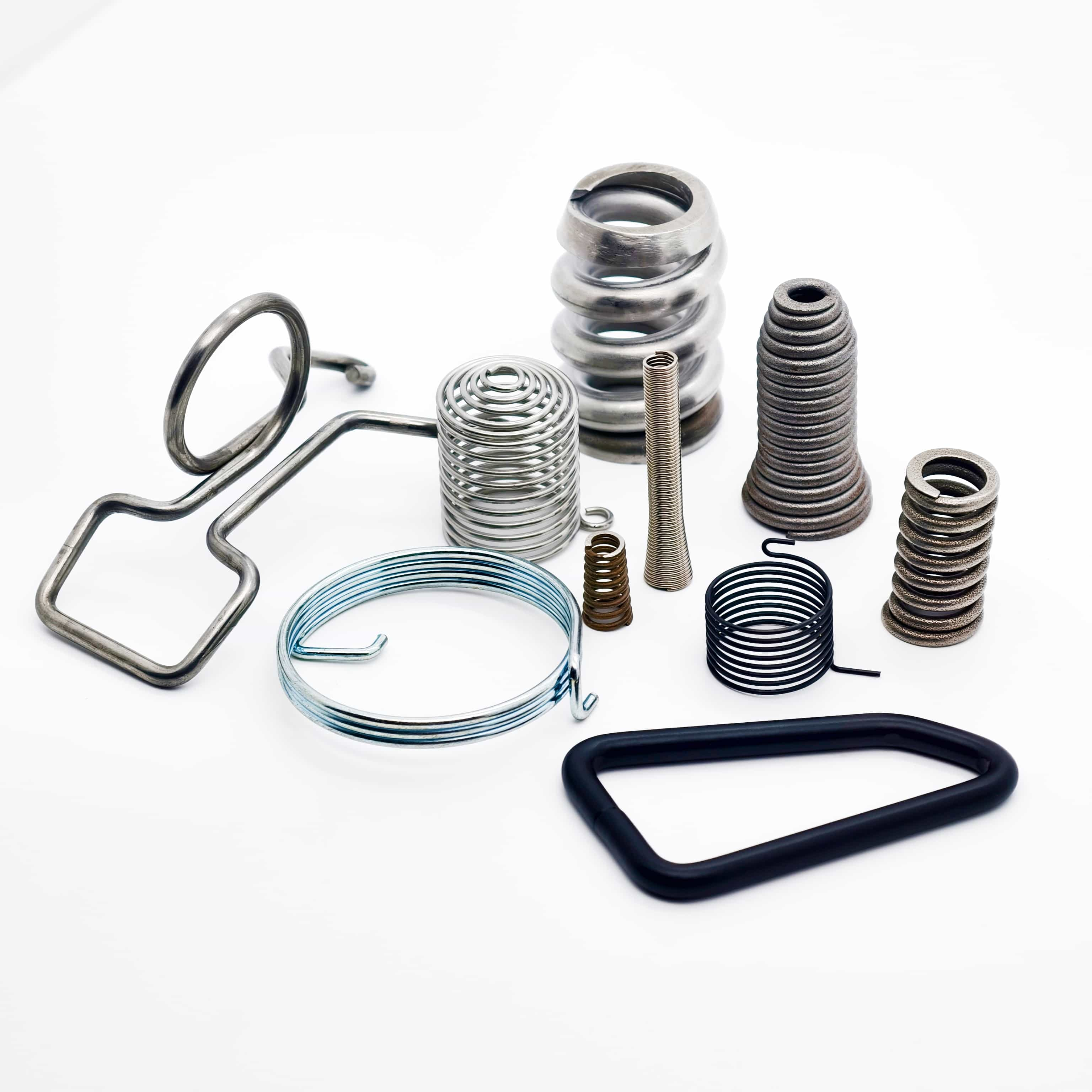
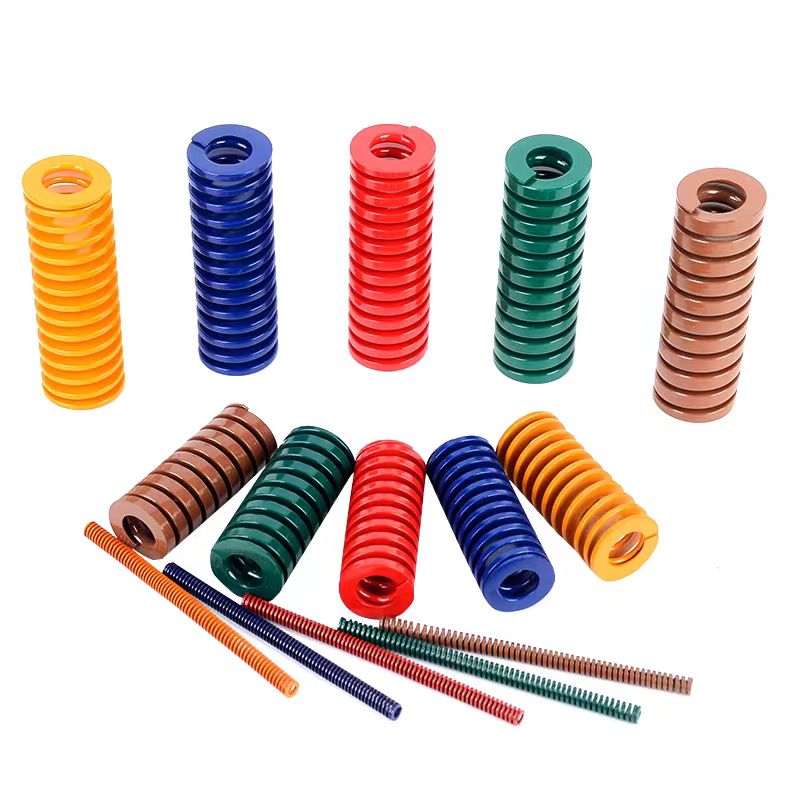
Skateboard platforms and repackaged interiors leave less room for everything, springs included. Designers increasingly ask for springs that deliver the same force in less axial space — which is why variable-pitch, conical, and barrel compression springs are showing up in more EV specifications: their telescoping or progressive designs achieve lower solid heights and tuned load curves that cylindrical springs can't match. GL Springs produces all of these in 0.1–20 mm wire under IATF 16949 — see our custom compression spring capabilities.
Without engine noise to mask it, every click, rattle, and squeak becomes a warranty complaint. Spring-related NVH usually traces back to tolerance drift or load variation — which puts pressure on consistency across high volumes, not just one good sample. Meanwhile, EV-specific use patterns (regenerative braking pedals, charge-port doors cycled daily, battery service panels) push component cycle counts well beyond legacy automotive norms.
| Application | Typical Spring Type | EV-Specific Requirement |
|---|---|---|
| Suspension & chassis | Compression, variable-pitch | Higher static load, same packaging |
| Battery pack & BMS | Contact springs, wire forms | Conductivity, vibration resistance, corrosion protection |
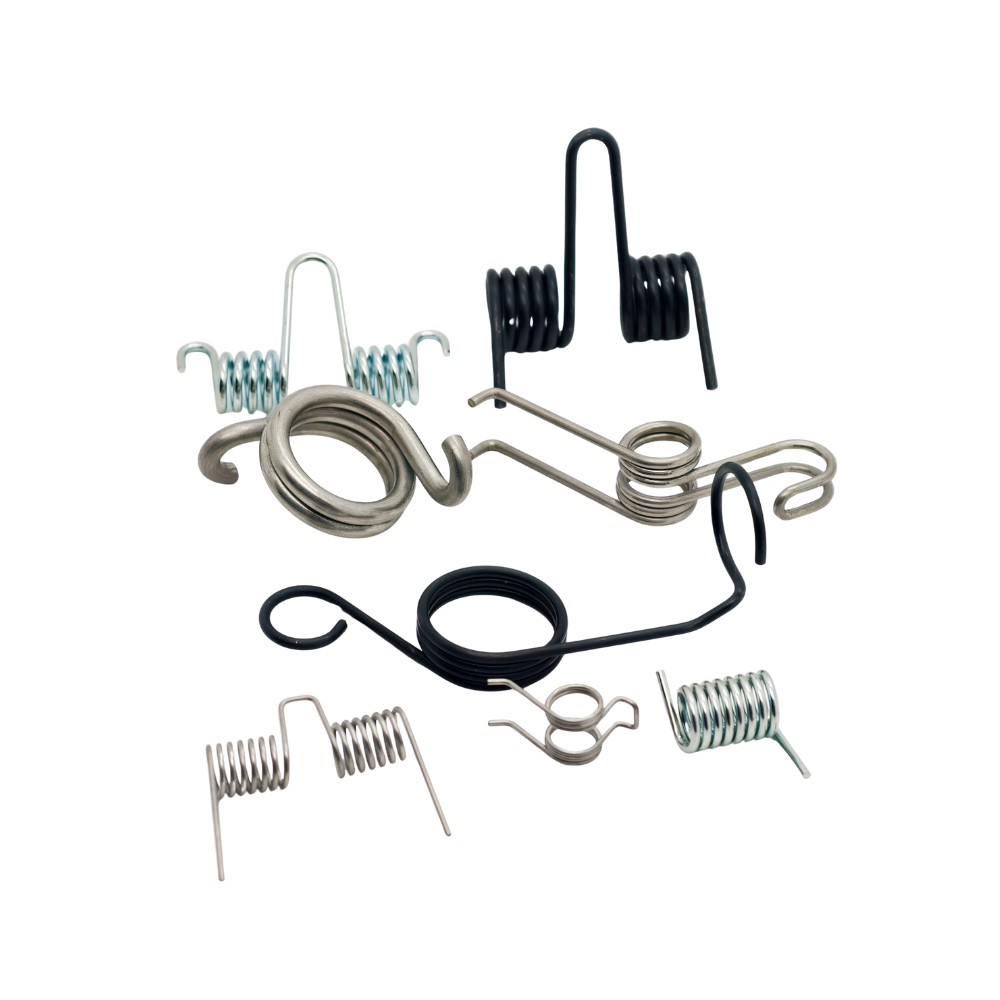
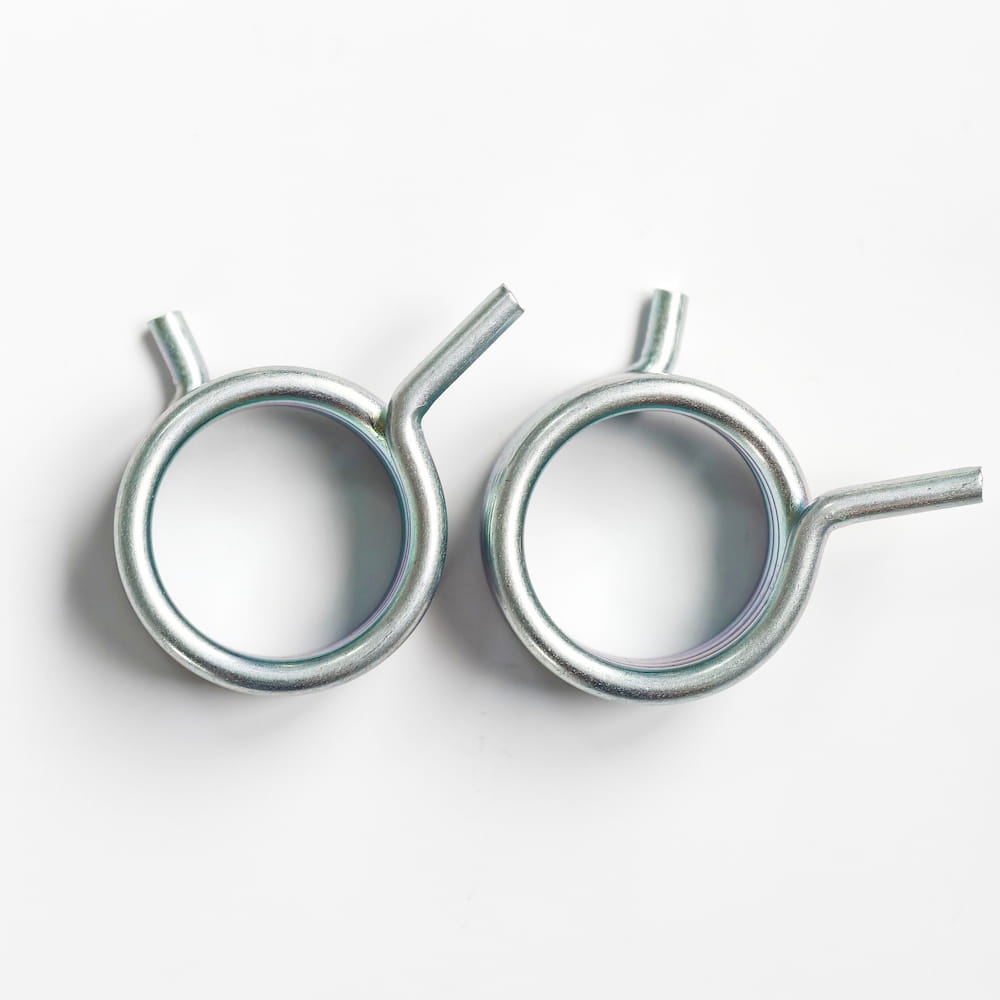
| Charging port doors & latches | Torsion, small compression | Daily-cycle fatigue life, weather sealing compatibility |
| Seats, hinges & interior | Torsion, tension, wire forms | NVH-critical tolerances, silent operation |
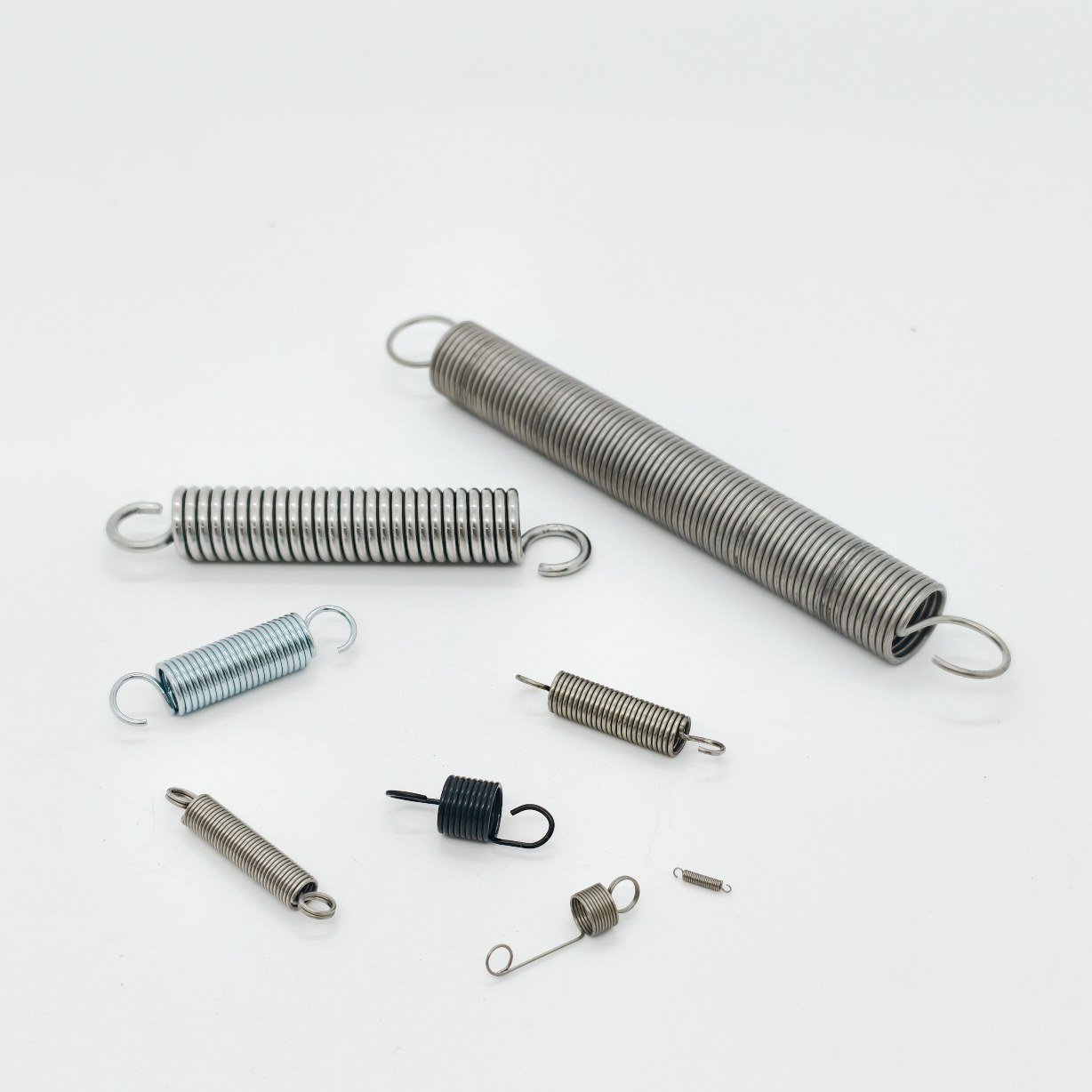
| Pedals & brake systems | Tension, torsion | High-cycle fatigue, safety-critical consistency |
EV programs reward buyers who specify beyond dimensions. Include: static and dynamic load points, cycle-life target (with the duty cycle behind it), packaging constraints (solid height, available diameter), NVH sensitivity, environmental exposure (salt-spray hours), annual volume, and the platform's validation standard. The earlier a spring manufacturer sees the duty cycle, the more likely a material or geometry upgrade happens on the drawing board — not after a field failure.
Q: Are EV springs different from regular automotive springs?
A: The spring types are the same — compression, torsion, tension, wire forms — but EV requirements shift upward: higher loads in the same space, more cycles, stricter NVH tolerances, and heavier corrosion exposure near battery packs.
Q: What spring materials are best for EV applications?
A: It depends on the failure mode. Chrome-silicon alloys (55CrSi) lead for high-stress fatigue; precipitation-hardening stainless (17-7 PH / 1.4568) suits fatigue-plus-corrosion cases; copper alloys appear in battery contact springs where conductivity matters.
Q: Can EV springs be prototyped before committing to tooling?
A: Yes — and they should be. GL Springs delivers prototypes in 7 days from drawings, CAD files, or samples, so design iterations happen before production lines are committed.
Send your drawing, CAD file, or duty-cycle requirements — our IATF 16949-certified engineers will review the design and quote within 24 hours.
Get a Fast Quote →